
CX measurement: Why CSAT, NPS, and CES often fail to predict retention
Discover which CX metrics actually predict retention. Learn why CSAT, NPS, and CES can be misleading and how to use data-driven insights to reduce churn.
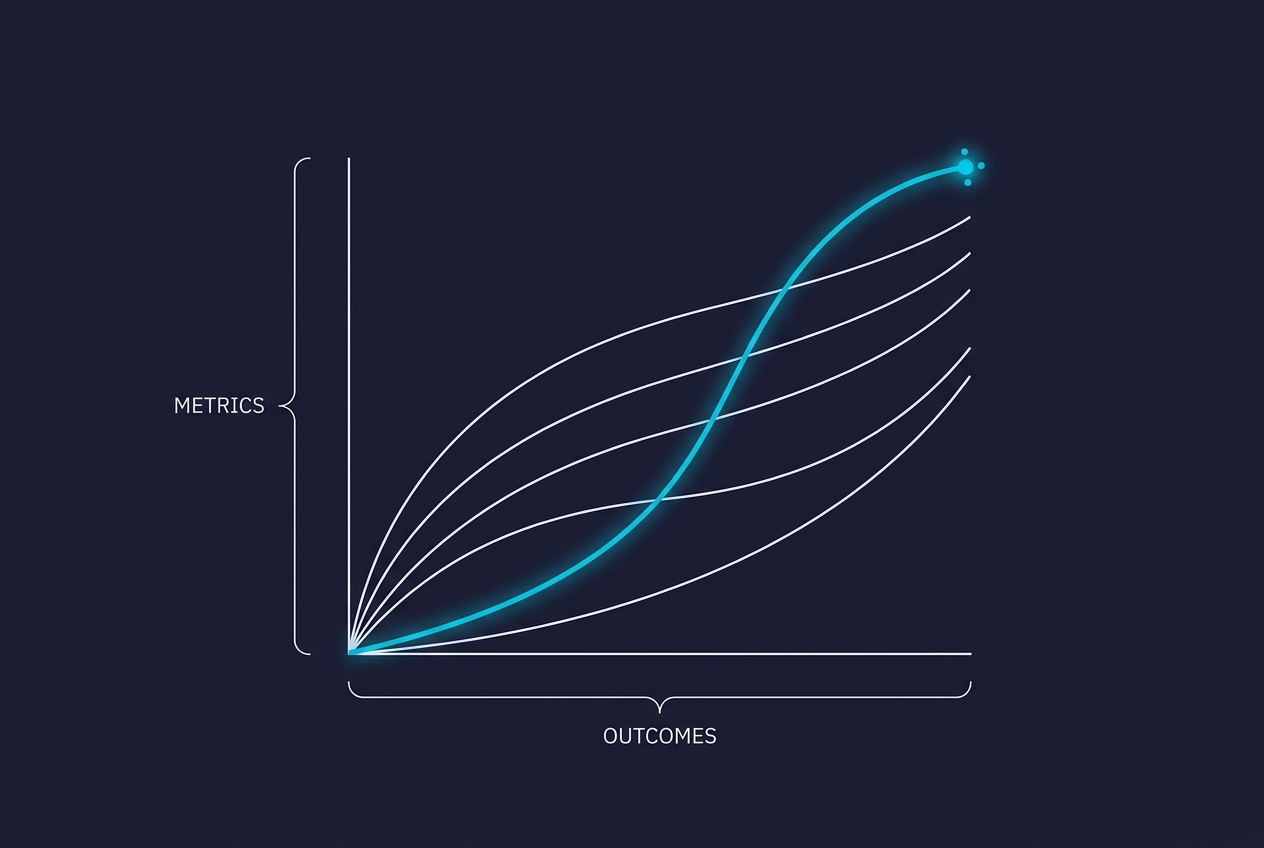
Customer retention is the primary driver of profitability in the subscription and service economy, yet many organizations rely on metrics that fail to signal when a customer is about to leave. While Customer Satisfaction (CSAT), Net Promoter Score (NPS), and Customer Effort Score (CES) are industry standards, their predictive power varies significantly based on the context of the interaction and the stage of the customer journey. To build a resilient retention strategy, leaders must understand the specific mechanism of each metric and where its blind spots lie.
Key takeaways
- CES is the strongest predictor of loyalty because it measures the friction that directly causes churn.
- CSAT is a transactional snapshot that often fails to capture the cumulative frustration of a long-term relationship.
- NPS is a brand sentiment indicator, but high scores do not always translate to repeat purchase behavior.
- Survey bias masks risk, necessitating a move toward objective data sources like conversation intelligence.
Which metric most accurately predicts customer retention?
Evidence from the Gartner Customer Service & Support practice suggests that Customer Effort Score (CES) is the most reliable predictor of future purchase behavior. The reasoning is grounded in behavioral psychology: customers are more likely to punish bad experiences than they are to reward exceptional ones. Reducing the work a customer must do to resolve an issue—such as avoiding repeated information or multiple transfers—has a direct, measurable impact on their likelihood to stay with a brand.
In contrast, while Forrester's Customer Experience Index tracks how customers rate experiences across brands, it often reveals a gap between "satisfaction" and "loyalty." A customer can be satisfied with a specific support call (CSAT) but still leave because the overall product value or price no longer aligns with their needs.
CSAT: The metric of the moment
Customer Satisfaction (CSAT) is typically measured immediately following a service interaction. It asks, "How satisfied were you with your experience today?"
When it works: CSAT is excellent for evaluating the performance of specific touchpoints, such as a chat session in Zendesk or a phone call routed through Salesforce Service Cloud. It provides immediate feedback on agent performance and process clarity.
When it lies: CSAT is prone to "recency bias." A customer might give a 5/5 score because the agent was polite, even if the underlying problem took three weeks to solve. This is often called the "polite churner" phenomenon. The customer is satisfied with the human interaction but exhausted by the brand's process. Relying solely on CSAT can lead a company to believe its service is excellent while its churn rate continues to climb.
NPS: Measuring advocacy, not action
Net Promoter Score (NPS) asks the "Ultimate Question": How likely are you to recommend this brand to a friend or colleague?
When it works: NPS is a valuable tool for board-level reporting and long-term brand health. It captures the emotional connection a customer has with a brand, which is a component of the "Total Experience" frameworks often discussed by analysts at IDC.
When it lies: NPS is a lagging indicator and is frequently disconnected from actual behavior. A customer may be a "Promoter" in theory but a "Switcher" in practice if a competitor offers a lower price or a more convenient feature. Furthermore, NPS surveys are often sent at the wrong time—such as right after a purchase—capturing