
Why your CX metrics are failing to predict customer churn
CX leaders often struggle to link metrics like CSAT, NPS, and CES to actual retention. Learn which metric predicts loyalty and when these scores provide false signals.
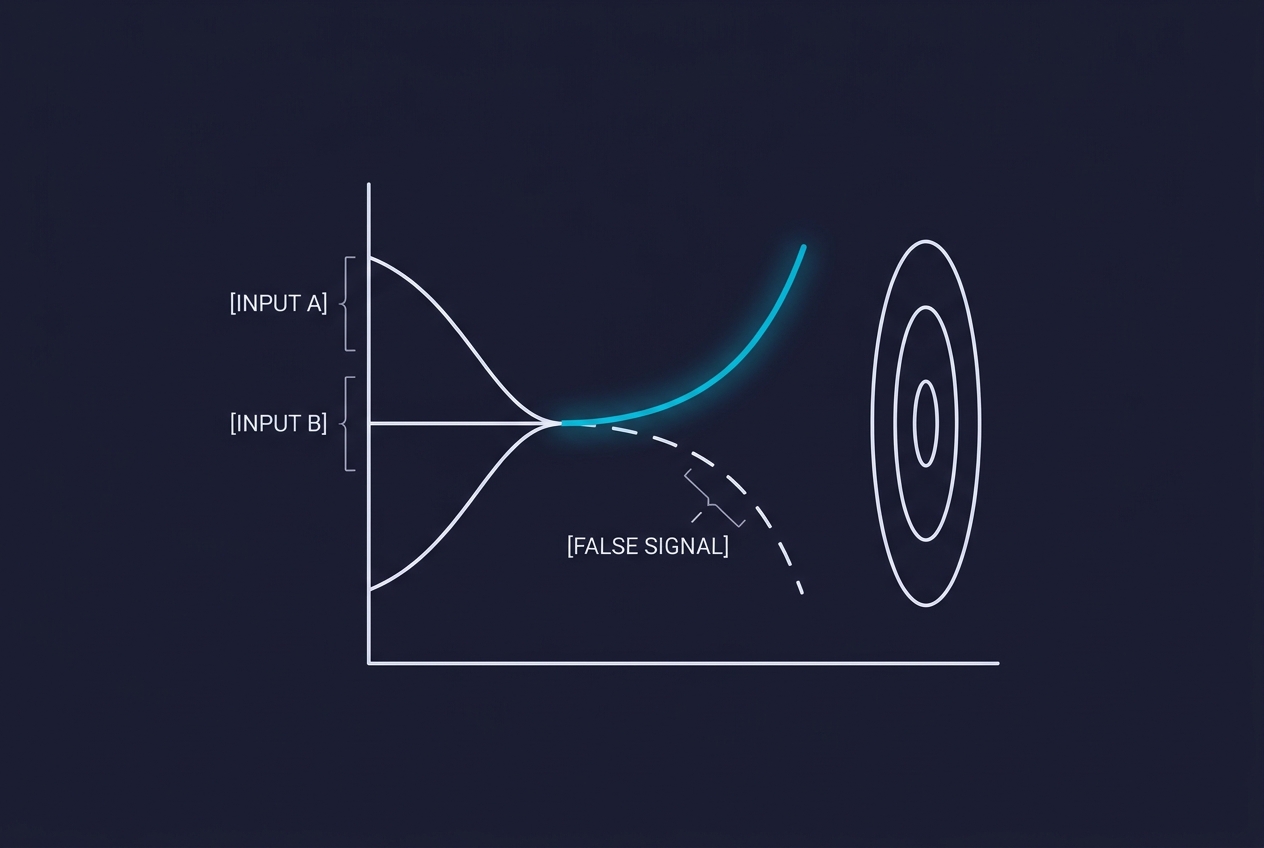
Customer retention is best predicted by the Customer Effort Score (CES) in transactional contexts and the Net Promoter Score (NPS) for long-term brand health, though neither is a perfect indicator in isolation. These metrics often provide false signals when they are captured as standalone snapshots that ignore the cumulative friction a customer experiences across their entire journey. To accurately predict churn, organizations must correlate survey sentiment with behavioral data from their contact center platforms and conversation intelligence layers.
Key takeaways
- CES is the strongest predictor of loyalty because it measures the friction that directly leads to customer exhaustion and switching behavior.
- CSAT is a localized metric that often masks long-term dissatisfaction by focusing only on the most recent interaction outcome.
- NPS measures intent, not action, and can be heavily influenced by brand marketing rather than actual service experience.
- Metrics "lie" when response rates are low, leading to a non-response bias where only the most delighted or most frustrated customers participate.
- Conversation intelligence is required to validate survey scores against the actual tone and effort observed during live interactions.
The fundamental disconnect in CX measurement
Many organizations operate under the assumption that a high Customer Satisfaction (CSAT) score is a reliable safeguard against churn. However, research from Gartner suggests that customer effort is a more potent driver of loyalty than delight. While CSAT measures how a customer feels about a specific interaction, it rarely accounts for the four or five previous steps the customer had to take to get that interaction started.
This gap between sentiment and behavior is where retention is lost. A customer might give a 5-star rating to a friendly agent on a platform like Zendesk or Salesforce Service Cloud because the agent was polite, even if the issue took three weeks to resolve. In this scenario, the CSAT score is high, but the customer is already looking for a competitor. This is the "politeness bias," where the metric reflects the human interaction rather than the structural efficiency of the business.
CSAT: The recency bias metric
Customer Satisfaction (CSAT) is the most common metric used in contact centers because it is easy to deploy and understand. It typically asks a single question: "How satisfied were you with your experience today?"
When it works: CSAT is excellent for measuring the immediate impact of a process change or a new training module for agents. It provides a quick pulse on whether a specific touchpoint is meeting basic expectations.
When it lies: CSAT is prone to recency bias. It only captures the feeling of the moment. If a customer has had six failed interactions but the seventh one finally resolves the issue, they may rate that final interaction highly. The business sees a "satisfied" customer, but the cumulative frustration has already eroded any long-term loyalty. Forrester often highlights in its CX Index research that consistency across the journey is more important than any single high-scoring touchpoint.
NPS: The advocacy myth
Net Promoter Score (NPS) measures the likelihood of a customer recommending a brand to others. It is widely used by the C-suite as a proxy for brand health.
When it works: NPS is a useful relational metric. It helps identify brand advocates and can be a directional indicator of market share growth. It forces a high-level view of the brand that goes beyond the support queue.
When it lies: NPS measures intent, which is a poor predictor of actual behavior. A customer may say they are likely to recommend a service because they like the product, but if the service costs are too high or the renewal process is difficult, they will still churn. Furthermore, NPS is often influenced by factors outside the control of the CX team, such as pricing changes or national advertising campaigns. Relying on NPS to manage a contact center is like trying to steer a car by looking at the weather forecast rather than the road.
CES: The strongest predictor of retention
Customer Effort Score (CES) asks customers how easy it was to handle their request. This metric is grounded in the reality that customers do not necessarily want to be "wowed"; they want their problems solved with minimal friction.
When it works: CES is highly correlated with repeat purchase behavior and increased spend. According to Gartner, reducing customer effort is the most effective way to reduce service costs and increase loyalty. When a customer finds it easy to get help on a platform like Five9 or Genesys, they are statistically more likely to stay.
When it lies: CES can be misleading if the product itself is fundamentally flawed. A customer might find it very easy to report a broken product, but if the product breaks every week, the "ease" of the support process won't save the relationship. Effort is a service metric, not a product-market fit metric.
Validating metrics with conversation intelligence
Because surveys are optional, they often suffer from a selection bias. You are only hearing from the 5% to 15% of customers who choose to respond. To see the full picture, leaders are increasingly turning to conversation intelligence tools like Hear.ai (powers our network) to analyze 100% of interactions.
By layering Hear.ai over a CCaaS provider like Talkdesk or 8x8, QA teams can compare what a customer said in a survey to how they actually sounded on the call. For example, a customer might leave a neutral CSAT score, but the conversation analysis might reveal high levels of "sentiment volatility" or multiple "dead air" segments, which are objective indicators of high effort. This allows companies to identify at-risk customers who didn't even bother to fill out a survey—the "silent churners."
How to build a predictive CX dashboard
To move beyond vanity metrics, organizations should integrate their data across three levels:
- The Transactional Layer: Use CSAT to monitor agent performance and immediate resolution quality within your CRM or ticketing system.
- The Operational Layer: Use CES to identify friction points in your IVR, self-service portals, and transfer logic.
- The Behavioral Layer: Use conversation intelligence to monitor compliance and emotional trends across all calls, not just surveyed ones.
When these three layers are combined, the resulting "Total Experience" score (a concept often explored by IDC) provides a much more accurate forecast of which customers will renew and which are likely to leave.
FAQ
Which metric is best for reducing churn?
Customer Effort Score (CES) is generally the best predictor of churn because it measures the friction that causes customers to switch to competitors. High-effort experiences are the primary driver of disloyalty, even if the customer likes the brand.
Why do customers give high CSAT scores before churning?
This is often due to the "politeness bias," where customers rate the specific agent's helpfulness rather than the company's overall process. A customer can be satisfied with a person but dissatisfied with the time and effort required to reach that person.
How often should I survey my customers?
Transactional surveys (CSAT/CES) should be sent immediately after a resolution, but at a frequency that avoids survey fatigue. Relational surveys (NPS) are typically sent quarterly or bi-annually to track long-term sentiment changes.
Can AI replace traditional CX surveys?
AI can supplement surveys by providing data on 100% of interactions, but it does not replace the need for direct customer feedback. AI tools like Hear.ai provide the "what" and "how," while surveys provide the "why" from the customer's own perspective.
Effective CX measurement requires moving past the search for a single "magic" number and instead focusing on the friction that exists between the customer's intent and their resolution. For more on optimizing your service operations, explore our guide on how to audit AI agents without doubling QA headcount.