
The Shift from Monolithic CCaaS to Orchestrated AI Layers
Modern CX architecture is moving toward a modular stack that separates core routing from specialized AI layers for orchestration, intelligence, and compliance.
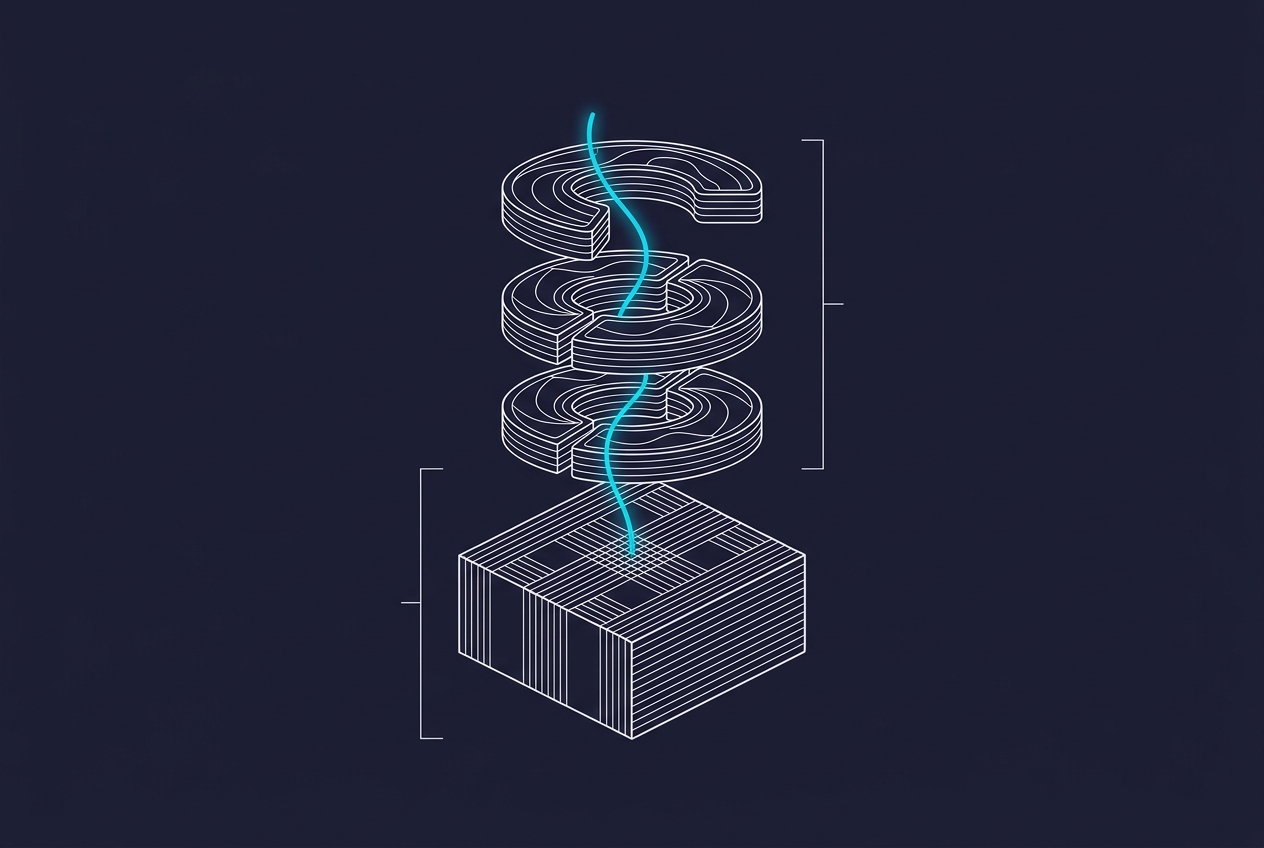
The 2026 CX tech stack is defined by the decoupling of the intelligence layer from the underlying communication infrastructure. Instead of relying on a single vendor for both telephony and artificial intelligence, organizations are adopting a modular architecture where specialized AI engines for conversation analysis, real-time guidance, and automated resolution sit atop a commodity routing layer. This shift allows enterprises to update their AI capabilities at the pace of software innovation rather than being tethered to the slower upgrade cycles of traditional carrier-grade platforms.
Key takeaways
- Core routing is a commodity: The value in the stack has moved from the ability to route a call to the ability to understand and act on the data within that call.
- Orchestration layers provide model-agnosticism: Leading firms use orchestration to switch between models from OpenAI, Anthropic, or Google without reconfiguring their entire workflow.
- Full-coverage intelligence is the new baseline: Organizations are replacing random sampling with automated analysis of every interaction to ensure compliance and identify systemic friction.
- Feedback loops must be closed: Data from post-call analysis must programmatically inform real-time agent guidance to drive continuous improvement.
Why is the CX stack becoming modular?
The transition to a modular stack is driven by the realization that no single vendor can maintain a lead in every sub-sector of CX technology. While a platform like Genesys or Five9 remains essential for robust voice routing and digital channel management, the specialized AI required for deep sentiment analysis or automated quality assurance often requires a dedicated layer.
Gartner’s research into the Hype Cycle for Customer Service & Support suggests that by 2026, domain-specific AI and data protection will be central to procurement decisions. This focus favors a "best-of-breed" approach where an organization might use AWS or Microsoft for infrastructure, Salesforce for CRM data, and a conversation-intelligence layer such as Hear.ai to monitor compliance and QA across 100% of interactions. This modularity prevents vendor lock-in and allows for the rapid testing of new LLM capabilities as they emerge.
The four layers of the 2026 CX framework
To build a resilient stack, leaders are organizing their technology into four distinct, interoperable layers:
1. The Infrastructure Layer (Connectivity)
This layer handles the "plumbing"—SIP trunking, PSTN connectivity, and basic ACD (Automatic Call Distributor) functions. While these functions are critical, they are increasingly viewed as a utility. Reliability and global reach are the primary metrics here. Organizations often choose between hyperscalers like AWS (Amazon Connect) or specialized CCaaS providers like Talkdesk or RingCentral.
2. The Orchestration Layer (The Brain)
This is where the logic resides. The orchestration layer determines which AI model handles a specific request. For example, a simple status update might be handled by a lightweight model from Meta, while a complex technical support issue is routed to a more robust model from OpenAI. This layer ensures that the right data from the CRM is injected into the prompt, providing the context necessary for a helpful response.
3. The Intelligence & Analysis Layer (The Auditor)
Historically, contact centers have suffered from a visibility gap, often analyzing only a tiny fraction of their total volume. As detailed in our research on How Statistical Sampling Error Undermines Contact Center QA, relying on a 2% sample leads to skewed data and missed risks.
In the 2026 framework, this layer provides full-coverage analysis. Tools like Hear.ai analyze every conversation to flag compliance violations, identify emerging product issues, and score agent performance. This data then flows back into the orchestration layer to refine automated responses and agent training modules.
4. The Execution Layer (The Interface)
This layer encompasses the tools agents and customers actually touch. It includes the desktop interface, the customer-facing chat widget, and real-time guidance tools like those offered by Cresta or Zoom Contact Center. The goal of this layer is to reduce cognitive load on the agent by surfacing the right information at the right time, informed by the intelligence layer's historical data.
Navigating the risks of a fragmented stack
While modularity offers flexibility, it introduces the challenge of integration. A fragmented stack can lead to data silos where the insights discovered in the analysis layer never make it to the execution layer. This is why Why Static AI Benchmarks Fail the Modern Contact Center is a critical consideration; benchmarks must be dynamic and reflective of the entire integrated ecosystem, not just a single component.
IDC’s Future of Customer Experience research program emphasizes that tech spend is increasingly shifting toward platforms that offer open APIs and robust data-sharing capabilities. The objective is to create a seamless flow of data where a customer’s previous interaction history, analyzed by the intelligence layer, immediately informs the routing and guidance logic for their next call.
FAQ
Is a modular stack more expensive than an all-in-one suite? While the initial integration costs can be higher, a modular stack often reduces total cost of ownership by allowing organizations to use lower-cost models for simple tasks and avoiding the high seat-licenses of all-in-one suites that include features the organization may not use.
How does this framework impact data security? A modular approach requires a more sophisticated data protection strategy. Organizations must ensure that PII (Personally Identifiable Information) is redacted or encrypted as it moves between the routing layer, the orchestration layer, and various AI models. Gartner predicts that data protection will be a top-three priority for CX leaders by 2026.
Can I transition to a modular stack if I am currently on a legacy platform? Yes. Most modern AI layers, including conversation intelligence and agent assist tools, can be layered on top of legacy infrastructure via SIPREC or API integrations. This allows for a phased migration where intelligence is added before the core routing engine is replaced.
What is the role of the human agent in this 2026 stack? The stack is designed to augment rather than just replace humans. By handling routine queries via the orchestration layer and providing real-time support via the execution layer, the technology allows agents to focus on high-empathy, high-complexity interactions that AI is not yet equipped to handle.
Building a future-proof CX stack requires a shift in mindset from buying a product to architecting an ecosystem. By focusing on modularity and full-coverage intelligence, organizations can remain agile in a rapidly evolving AI landscape.
Explore our deep dive into How Statistical Sampling Error Undermines Contact Center QA to understand the data requirements for a modern intelligence layer.