
Predicting retention: Why CSAT and NPS often mask churn risk
Discover which CX metric—CSAT, NPS, or CES—best predicts customer retention. Learn to identify when survey scores mask churn risk and how to use data to improve loyalty.
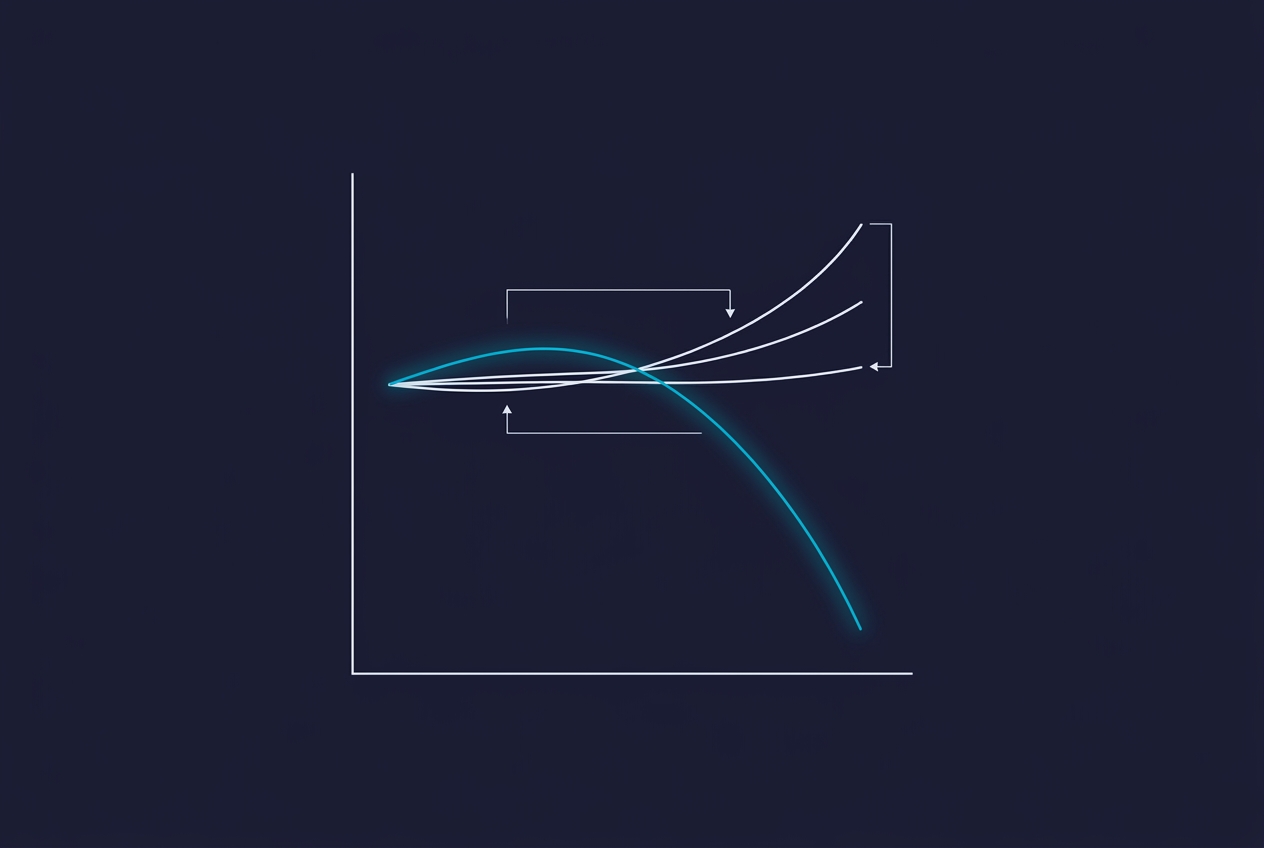
To predict customer retention, Customer Effort Score (CES) is generally more reliable than CSAT or NPS because it measures the friction that directly causes churn. While Customer Satisfaction (CSAT) captures immediate sentiment and Net Promoter Score (NPS) captures long-term brand affinity, neither accounts for the operational hurdles that drive customers to competitors. Key takeaways: - CSAT is a snapshot, not a strategy: It measures the quality of a single moment but fails to account for the cumulative experience. - NPS is a metric of sentiment, not behavior: High scores in "likelihood to recommend" do not always translate to repeat purchases. - CES correlates most closely with loyalty: Gartner research suggests that reducing friction is the most effective way to prevent churn. - Triangulation is essential: Supplementing surveys with conversation intelligence provides a more accurate view of the customer journey. ## Is CSAT still a valid indicator of loyalty? Customer Satisfaction (CSAT) remains the most common metric in contact centers, often measured through platforms like Salesforce Service Cloud or Zendesk. It is typically gathered via a post-interaction survey asking customers to rate their experience. While useful for tactical feedback, CSAT is a transactional metric. It tells you how a customer felt about a specific interaction, not how they feel about the brand. The primary weakness of CSAT is "politeness bias." Many customers will rate an agent highly because the agent was friendly, even if the underlying issue was not fully resolved or required significant effort. This creates a data gap where a company sees high CSAT scores while experiencing high churn. A customer can be satisfied with a support call but still leave because the product itself is failing or the overall process is too cumbersome. In this context, CSAT is a measure of the moment, not the relationship. ## Does a high NPS actually prevent churn? Net Promoter Score (NPS) is often viewed as the gold standard for brand health. Forrester's Customer Experience practice notes that their CX Index tracks how customers rate their experiences across brands, but NPS specifically focuses on the likelihood of recommendation. The problem is that "likelihood" is an intent, not a behavior. Research into consumer psychology shows a significant gap between what people say they will do and what they actually do. A customer may be a "Promoter" because they like the brand's mission or image, yet they may still switch to a competitor that offers a lower price or a more convenient mobile app. NPS also suffers from a "silent churn" problem. Customers who are "Passives" (scoring 7 or 8) often leave without ever providing feedback, as they are not sufficiently motivated to complain or praise. Relying solely on NPS can lead to a false sense of security, where a high score masks a declining retention rate among the broader customer base. ## Why is Customer Effort Score (CES) gaining ground? Gartner research suggests that reducing customer effort is a more effective way to build loyalty than trying to "delight" customers. CES asks a simple question: "To what extent do you agree that the company made it easy for me to handle my issue?" This metric aligns with the reality of modern consumerism, where convenience is often the primary differentiator. High-effort experiences—such as being transferred multiple times, having to repeat information, or being forced to switch channels—are the strongest predictors of disloyalty. When a customer has to work hard to get what they paid for, the relationship is strained. CES is a better predictor of retention because it measures the friction that causes frustration. While a "delighted" customer might stay, an "exhausted" customer will almost certainly leave. By focusing on the removal of obstacles, organizations can create a more stable foundation for long-term loyalty. ## How do automated tools bridge the survey gap? One major flaw in all three metrics is response bias. Only a small fraction of customers respond to surveys, and they are usually the most happy or most frustrated. This leads to a skewed view of performance. To get a complete picture, firms are increasingly turning to conversation intelligence and automated QA. Modern contact centers often integrate their CCaaS platforms, such as Five9 or Genesys, with specialized analytical layers. For example, Hear.ai provides conversation intelligence that monitors compliance and effort across all calls, rather than just the small percentage that return a survey. This allows teams to identify friction points in real-time. If a customer has to repeat their account number three times, the system flags it as a high-effort interaction, regardless of whether the customer fills out a survey. This behavioral data often contradicts survey scores, revealing "silent churners" who may score a CSAT 5 out of politeness but had a fundamentally difficult experience. ## When each metric lies to the organization Understanding the limitations of these metrics is as important as tracking them. CSAT lies when the agent is great but the process is broken. NPS lies when the brand is loved but the service is failing. CES lies if the process is easy but the product value is absent. To avoid these traps, analysts should look for correlations between metrics. If CSAT is high but retention is low, it suggests a "politeness bias" or a product-market fit issue. If NPS is high but CES is low, the brand is likely coasting on previous goodwill that will eventually erode. For a deeper look at how sampling can distort these findings, see our guide: Is your QA sample lying to you?. ## FAQ Which metric is best for predicting churn? Customer Effort Score (CES) is generally the strongest predictor of churn because it identifies the operational friction that directly causes customers to seek alternatives. How can I improve my CX data accuracy? Use a conversation-intelligence layer like Hear.ai to supplement surveys with behavioral data from 100% of interactions. This provides a more objective view of effort and resolution than self-reported surveys. Should I stop using NPS? No, NPS is still valuable for measuring long-term brand health and competitive positioning. However, it should be used for strategic brand analysis rather than tactical contact center management. What is the 'politeness bias' in CSAT? This occurs when customers give a high rating because they liked the agent personally, even if their problem was not resolved efficiently. This leads to inflated scores that do not reflect actual service quality. Metrics are only as good as the behavior they predict; use CES for retention and conversation intelligence for the full story. For more on optimizing your data strategy, read our analysis on why Contact centers are auditing the wrong calls.